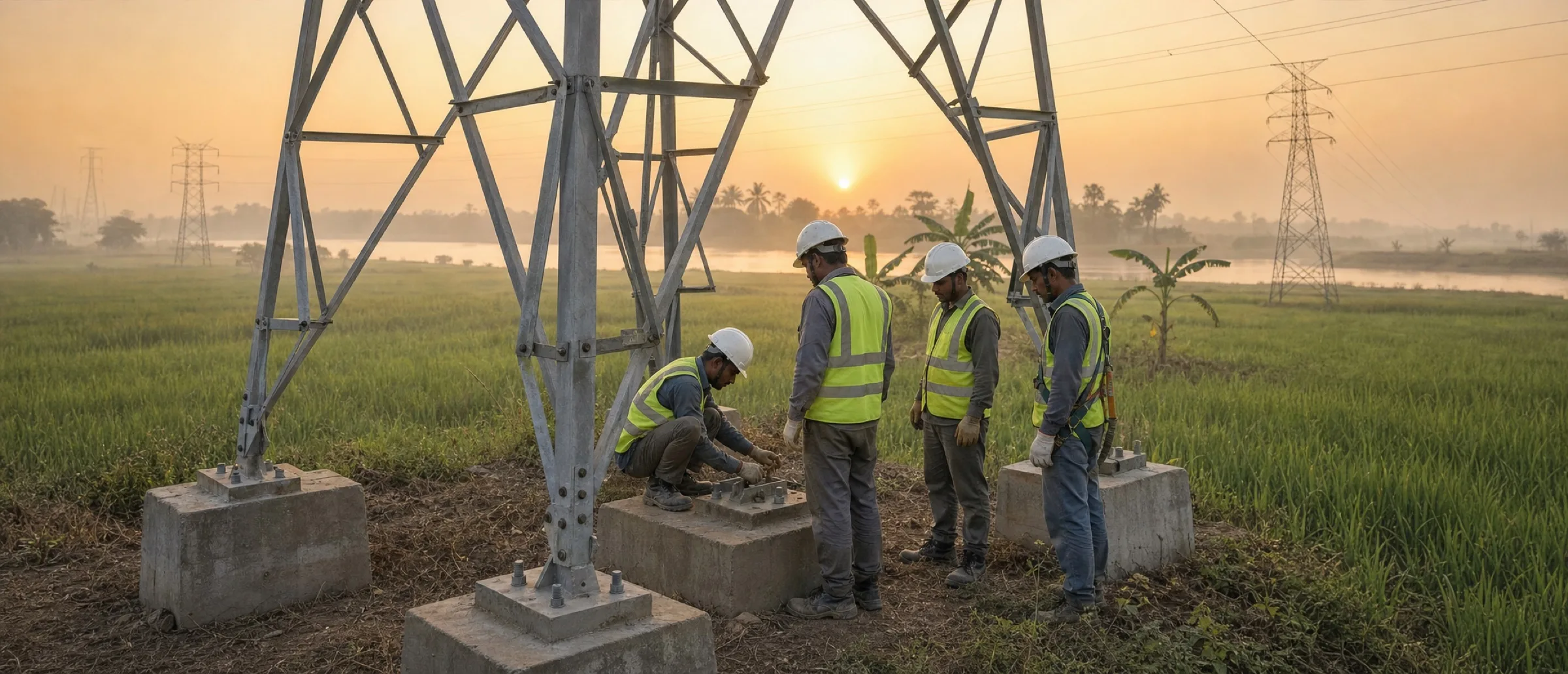
When an international EPC contractor wins a project in Bangladesh, it brings design, technology and project management. What it rarely brings is everything else: local manpower, supply chains, an understanding of permits and roads, and people who know how a site in Pabna or Chattogram behaves during the monsoon.
That is where a local engineering partner earns its place. In our experience, the contractors who choose partners well look for a few consistent things.
1. A clear and honest account of past roles
Large projects are delivered by layers of companies. A credible partner states exactly what it did — subcontractor, support services, collaboration partner — and does not borrow credit for the main contractor's work. Contractors check, and trust is lost quickly when a claim does not hold up.
2. Discipline under someone else's system
On a major site, the partner works under the main contractor's quality plan, HSE rules, permit-to-work system and reporting format. The best partners adopt those systems from day one instead of asking the client to adapt to theirs.
3. Local problem-solving
A delayed customs release, a bridge that cannot take an axle load, a shortage of a particular skill — these are the problems that stop work. A local partner's value is measured by how fast it solves them without creating new ones.
4. Documentation
If it is not recorded, it did not happen. Daily reports, inspection records, handling records and close-out packages protect both the contractor and the partner.
5. Capacity to grow with the project
Scopes change. A partner that can mobilise more people and equipment at short notice — while keeping quality steady — becomes part of the contractor's long-term plans.
At SUFI Engineering & Consultancy we have built our work around these expectations since 2016. If you are planning a project in Bangladesh and need a local partner, we would be glad to discuss how we can support it.